
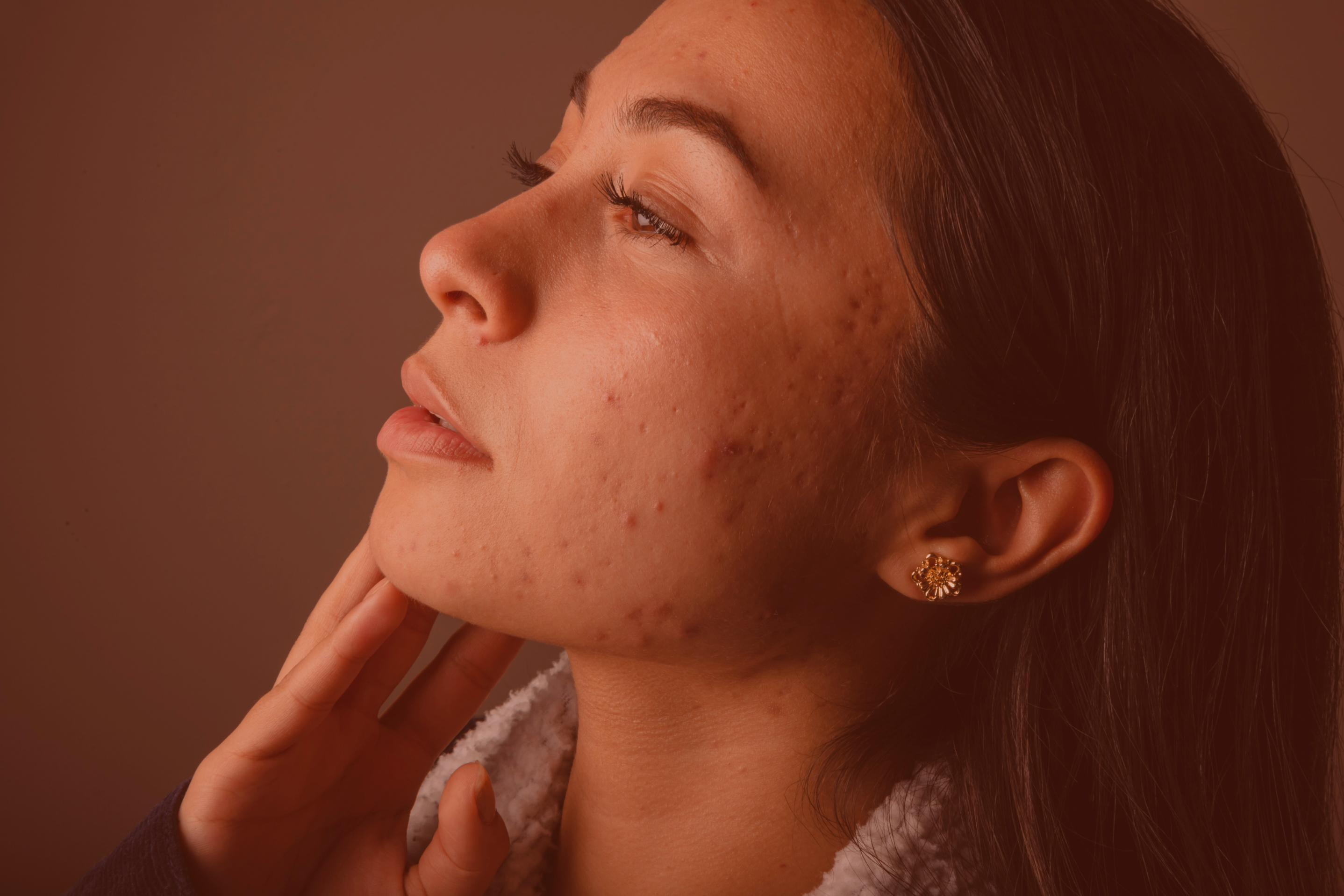
Acne is one of the most common skin conditions in the world, affecting nearly 85% of people at some point in their lives. It occurs when hair follicles become clogged with oil (sebum), dead skin cells, and bacteria, leading to inflammation and visible lesions such as blackheads, whiteheads, papules, pustules, or cysts. Though often associated with adolescence, acne can persist or appear for the first time in adulthood.
Causes of Acne
Several factors contribute to acne development: • Excess oil production: Triggered by hormonal changes, stress, or genetics. • Clogged pores: Dead skin cells that don’t shed properly can block follicles. • Bacterial growth: Cutibacterium acnes thrives in oily environments, leading to inflammation. • Hormonal fluctuations: Androgens increase sebum production, especially during puberty, menstruation, or stress. • Lifestyle and environmental factors: Diet, humidity, certain skincare or makeup products, and friction from masks or helmets can worsen acne.
Types of Acne
• Comedonal acne: Blackheads and whiteheads caused by clogged pores. • Inflammatory acne: Red pimples or pustules due to bacterial infection. • Nodulocystic acne: Deep, painful cysts that can cause scarring.
Treatment Options
Treatment depends on acne type and severity. Effective management often combines topical and systemic therapies, along with lifestyle changes.
1. Topical Treatments
• Benzoyl Peroxide: Reduces bacteria and inflammation. • Retinoids (e.g., adapalene, tretinoin): Promote cell turnover and prevent clogged pores. • Salicylic Acid: Helps exfoliate the skin and clear pores. • Topical Antibiotics: Reduce bacterial overgrowth and inflammation (often combined with benzoyl peroxide).
2. Oral Medications
• Antibiotics (e.g., doxycycline, minocycline): Control bacterial infection and inflammation. • Hormonal Therapy: Birth control pills or anti-androgens like spironolactone regulate hormone-driven breakouts. • Isotretinoin (Accutane): A potent vitamin A derivative that targets all major causes of acne, reserved for severe or resistant cases.
3. Procedural Treatments
• Chemical Peels: Use acids to exfoliate and reduce pore blockages. • Laser and Light Therapy: Kill bacteria and reduce oil production. • Extraction and Microneedling: Minimize scarring and improve texture.
Skincare and Lifestyle Tips
• Use non-comedogenic and fragrance-free products. • Wash face gently twice a day and after sweating. • Avoid picking or squeezing pimples to prevent scarring. • Maintain a balanced diet; some people find improvement when limiting dairy and high-glycemic foods. • Manage stress, as it can trigger hormonal fluctuations.
When to See a Dermatologist
If over-the-counter treatments aren’t working after 8–12 weeks, or acne is causing pain or scarring, consult a dermatologist. Personalized plans, often involving prescription treatments or lab testing for hormonal imbalance, can make a significant difference.
The Bottom Line
Acne is a multifactorial condition that can be effectively treated with consistent care and evidence-based approaches. Modern dermatology offers a wide range of safe and effective treatments that can clear breakouts, prevent scarring, and restore skin confidence.
Acne is a multifactorial condition that can be effectively treated with consistent care and evidence-based approaches.
References
- https://pubmed.ncbi.nlm.nih.gov/39271178/
- https://www.dermatologytimes.com/view/the-growing-burden-of-acne-in-america-time-to-rethink-our-approach
- https://www.mayoclinic.org/diseases-conditions/acne/symptoms-causes/syc-20368047
- https://emedicine.medscape.com/article/1069804-overview
- https://centerforderm.com/understanding-acne-causes-triggers-and-treatment-options/
- https://www.nhs.uk/conditions/acne/
- https://www.ncbi.nlm.nih.gov/books/NBK279211/
- https://www.eau-thermale-avene.ca/en_ca/your-skin/oily-blemish-prone-and-acne-prone-skin/how-to-live-with-acne-in-your-daily-life/lifestyle-tips-for-living-with-acne
- https://www.schweigerderm.com/skin-care-articles/acne/dermatologist-recommended-skin-care-routine-for-hormonal-acne/
- https://www.tru-skin.com/blog/understanding-and-treating-different-types-of-acne
- https://www.olanskydermatology.com/what-are-the-different-types-of-acne/
- https://pmc.ncbi.nlm.nih.gov/articles/PMC11081083/
- https://www.mayoclinic.org/diseases-conditions/acne/diagnosis-treatment/drc-20368048
- https://curology.com/blog/oral-medications-for-acne/
- https://www.schweigerderm.com/medical-dermatology/acne/acne-medications/
- https://pubmed.ncbi.nlm.nih.gov/17760592/
- https://pubmed.ncbi.nlm.nih.gov/35469981/
- https://natalieoneilll.com/when-to-see-a-dermatologist-for-acne/
- https://www.elitedermatology.com/blog/when-to-take-your-teen-to-a-dermatologist-for-acne-treatment/
- https://my.clevelandclinic.org/health/diseases/12233-acne